Research Center
A study environment you cannot build in a laboratory.
The Sustainable City is a functioning district with residents, infrastructure, transport and waste systems, all operating. That makes it a rare thing in sustainability research: a place where a hypothesis meets real behaviour.

Instrumented, occupied, and running.
Biodomes, water systems, waste streams, transport and residential energy use, all producing data continuously. A hypothesis meets real behaviour here rather than a simulation of it.
What it lets us do
Four capabilities that a conventional research setting does not offer.
- Test prototypes in context
- A technology can be installed where it will actually be used, by people who did not volunteer to be studied and behave accordingly.
- Collect continuous data
- The district and the building are instrumented, so measurement runs over seasons instead of a study window.
- Validate complex solutions
- Systems that interact, water against energy against waste, can be assessed together instead of one at a time.
- De-risk a startup's claim
- Bedayat companies use the same environment to prove a concept before taking it to a customer or an investor.
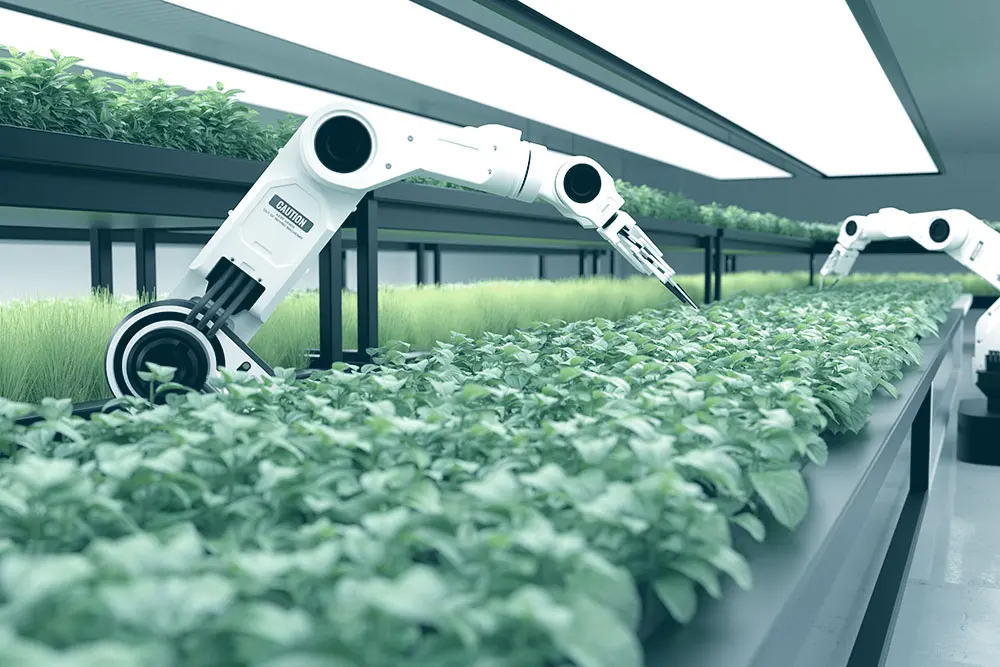
From installation to measurement.
A project moves through install, run and measure inside the district. The run phase is the part conventional research settings cannot offer, because it needs people who are simply living there.
Bring a hypothesis.
Academic groups, corporate R and D teams and startups all use the living lab. Tell us what you want to measure and we will tell you whether this is the right place to measure it.
Start a collaboration